Child protection work sits at the intersection of law, values, and human judgment. The system CHCPRT025 Identify and record children and young people in danger distills that complexity right into functional competencies. It is greater than a compliance box to tick. When done well, it alters exactly how teachers, early childhood teachers, youth employees, and assistance personnel see patterns, react under pressure, and paper problems in a way that shields children and maintains the honesty of investigations.

I have educated and supervised specialists who finished a child protection course for child care, institution settings, and neighborhood programs, and I have investigated reports that stood up legally since the writer recognized CHCPRT025. The very best technique support listed below not just shows the intent of the device, it likewise incorporates the lived facts of active spaces, distressed families, and tight timelines.
What CHCPRT025 actually covers
The CHCPRT025 course focuses on three columns: acknowledging signs of damage, reacting safely and ethically, and reporting within legislative and business structures. The wording issues. Determine means using evident indicators and professional judgment, not instinct alone. Record means making an official notification to the appropriate legal agency, usually with the Department of Education child protection training networks if you operate in a school, or the state or area child protection service if you remain in early childhood years or community services. Youths includes teens whose danger accounts vary from those of babies and toddlers.
Quality child protection training 2025 standards anticipate professionals to manufacture information from several resources. A CHCPRT025 online program can develop cognitive structures, yet real skill comes from applying those frameworks to messy, actual situations. That is why analyses in a child protection training course will typically need circumstance analysis, function plays, and evidence of exact documentation.
The task to report and what it suggests for you
Mandatory child protection training exists since compulsory coverage regulations exist. The certain lawful obligations rely on your jurisdiction and function, but the principle corresponds. If you form a practical belief that a child is at danger of substantial harm, you have to make a report to the suitable authority. Reasonable belief does not need proof or assurance. It needs a thoughtful, evidence‑informed judgment based upon realities you can describe.
If you operate in a school or early discovering service, your company's plan will describe paths: when to notify a principal or supervisor, when to contact a state helpline, and how to store documents. Lots of solutions now require a child protection certificate or paperwork that you have actually finished CHCPRT025 child protection training as component of onboarding. A child protection training certificate confirms you have the standard knowledge. Your technique gives it credibility.
Recognizing danger: indications with context
Indicators of misuse or neglect fall into patterns. Excellent practitioners prevent tunnel vision. They search for patterns with time, think about cultural and family contexts, and support observations in specifics.
Physical indications can consist of inexplicable injuries, duplicated bruising in secured areas, or signs of inadequate health. Behavior indicators may reveal as hypervigilance, hostile outbursts, withdrawal, or age‑inappropriate sexualized behavior. Ecological signs include persistent lack, dangerous housing, or caregivers impacted by without treatment mental illness or material abuse. None of these signs, by themselves, confirms harm. Together, and over time, they can amount to a threat image that requires action.
Anecdote from method: a kid arrived most early mornings with a pale smell of gas and deeply embedded grime under the nails. Staff logged every observation, with days and neutral language. Over weeks, they included relentless nappy rash and slow weight gain. A home browse through by a family members support worker disclosed a converted garage where the household slept. Ventilation was poor, and a generator went for evening. The risk was not harmful neglect, it was dangerous living conditions. Since the team had exact documents, they might escalate quickly, and the succeeding report caused emergency situation real estate and wellness monitoring rather than a punishing response.
The function of collective harm
CHCPRT025 stresses cumulative damage due to the fact that solitary events typically rest below reporting limits, yet the total lots on a kid can be substantial. Cumulative damage can be unseen if you only respond to the most remarkable event. Think about a 12‑year‑old who misses out on meals some days, cares for younger brother or sisters, and is regularly late to college. None of that is devastating alone. With each other, it can mean consistent overlook, disrupted education, and heightened threat of exploitation.
Your documentation ends up being the thread that exposes the pattern. A child protection online training component may educate you to measure frequency and period. In technique, that implies you videotape just how usually the youngster gets here hungry, whether the pattern aligns with cash advance cycles, or whether lateness spikes during adult shift changes. These tiny details raise your record from anecdotal to credible.
Talking with youngsters without leading them
Professionals occasionally prevent discussions with kids since they are afraid saying the incorrect point. The unit CHCPRT025 training course teaches a mild, non‑leading method. Mount inquiries that are open however included. Let the kid established the rate. Do not probe for information or ask why. Maintain your language age‑appropriate and devoid of judgment.
A reliable sentence starter with a four‑year‑old might be, "I see you look worried today. Can you inform me about that?" For a teen, "You mentioned you avoided last evening due to the fact that it didn't really feel secure at home. Are you all right to inform me what made it really feel that way?" If a kid divulges injury, you show back key words, thank them for telling you, and allow them understand you will certainly get assist to maintain them risk-free. Prevent pledges of discretion you can not keep. Your lawful duty needs reporting, and children should have clarity concerning that.
Engaging with moms and dads and carers under pressure
Professionals commonly sit in a double duty: supportive partner and mandated reporter. After child protection understanding training, new personnel stress that elevating interest in parents will certainly damage partnerships. It can do that if handled poorly. The strategy I show starts with inquisitiveness and concrete realities, not complaints. You might claim, "We've discovered Ari hasn't had lunch on three days this week and seems especially tired in the early mornings. I wished to check exactly how points are at home and whether there is anything we can do here."
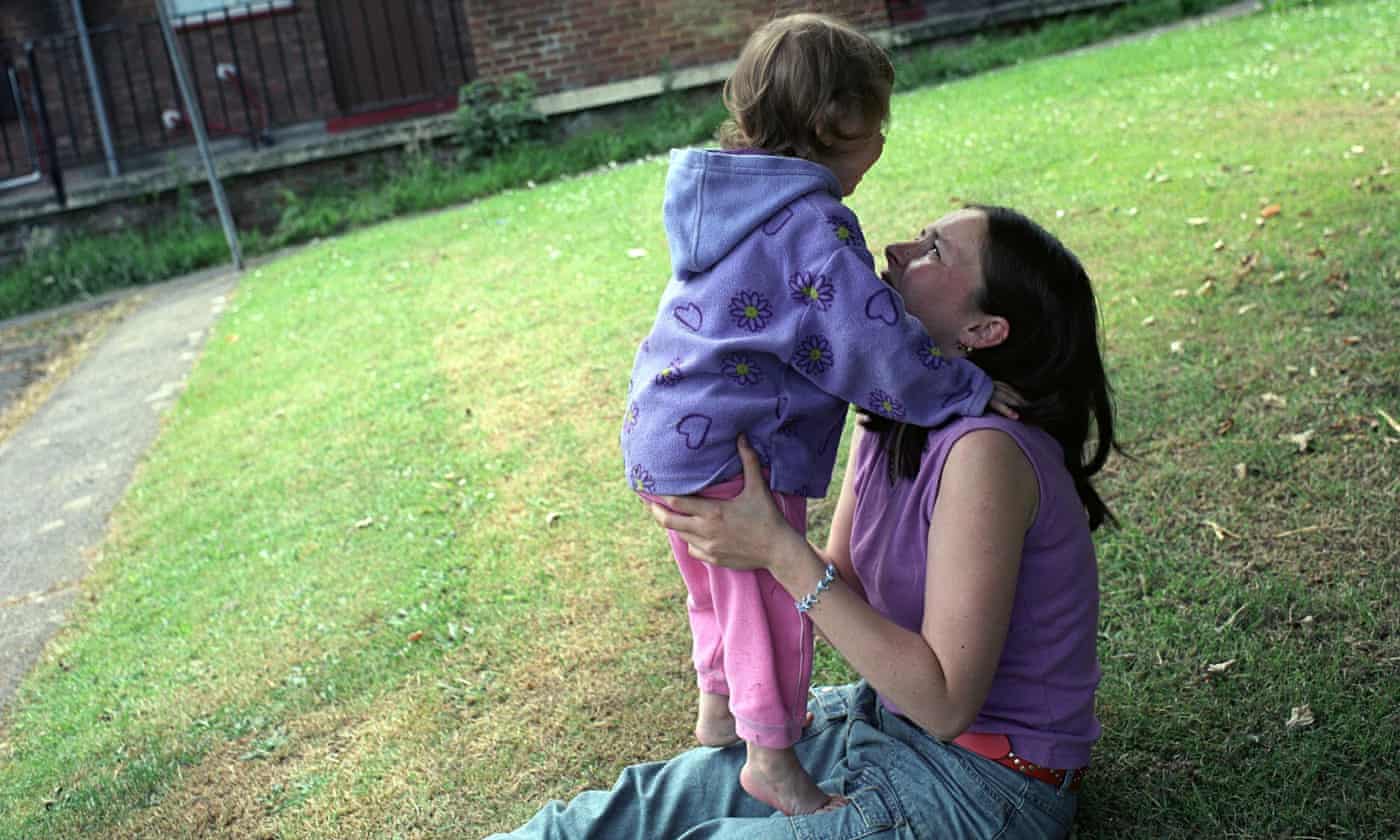
Families in situation need to understand you see their strengths in addition to their battles. When you increase problems respectfully, you reduce defensiveness. If your concerns meet the threshold for coverage, you do not seek authorization from moms and dads to report, and you do not inform them if doing so boosts danger to the kid. Your service's policy shapes exactly how and when you educate moms and dads of a report.
Documentation that protects kids and secures you
Good notes win trust from investigators. They should be prompt, accurate, and certain. Stay clear of interpretive language that identifies or generalizes. Create what you saw, listened to, or gauged. Tape that else existed, the specific words the child used if they divulged, and the youngster's behavior. Avoid speculative diagnoses or ethical judgments.
I encourage trainees in CHCPRT025 training to visualize a court will read the data two years from now. Will it show a pattern? Will it make sense to someone who never fulfilled the youngster? Will it depend on its own if you have proceeded? Those questions urge information, however not redundancy. Concise entries, each with date and time, defeat long essays.
Reporting pathways and thresholds
Different markets have various websites. Division of Education and learning child protection training often aims institution staff to interior reporting initially, usually to a principal who then submits to the state's child protection solution. Early childhood professionals normally report straight to the state child protection line. Some jurisdictions have actually incorporated helplines that triage to child protection or family support services. A child protection training course CHCPRT025 maps these pathways and routes you to your territory's threshold guidance.
Thresholds issue. Not every worry requires a statutory record. Some are best taken care of with a family assistance referral with the family's consent. Others require a prompt record to police and child protection since there looms danger. When not sure, consult your marked securing lead. A short, confidential consultation with the legal consumption solution can also make clear threshold without determining the child, offered you define the scenario generically.
Responding in the minute: safety first
There are days when you can not wait to finish documents. If you witness an occasion that puts a kid at instant danger, you act to make the environment secure. That could be separating a child from a volatile grownup, calling emergency situation solutions, or relocating the child to a supervised area. If the kid requires medical attention, seek it without delay. Obligation of treatment is not stopped by your coverage responsibilities. They run together.
For adolescents, self‑harm or self-destructive ideation demands a calmness, straight feedback. You ask clearly, "Are you considering harming on your own?" If the answer is indeed, you do not leave the young adult alone. You follow your solution's situation plan, which frequently includes speaking to moms and dads or guardians unless doing so boosts danger, and preparing evaluation by a qualified clinician.
Cultural safety and security and considerate practice
Child defense training courses highlight cultural responsiveness for good factor. Aboriginal and Torres Strait Islander kids are over‑represented in child protection systems. That reality needs that professionals consider historic injury, area toughness, and kin networks when making decisions. Cultural security does not mean softening your assessment of damage. It indicates you seek advice from cultural consultants, take into consideration family‑led remedies where risk-free, and stay clear of presumptions based upon destitution or non‑Western parenting norms.
For migrant and evacuee family members, language accessibility is non‑negotiable. Usage certified interpreters, not children or neighborhood members that might breach discretion. When a kid's first language is not English, your notes ought to reflect the interpreter's name and ID, and whether the kid or family members appeared to recognize the concerns and information provided.
Privacy, approval, and details sharing
Privacy laws shield family members, however they likewise enable information sharing to maintain children safe. CHCPRT025 identify and report kids and youngsters in jeopardy needs that you understand when you can share without consent. In several jurisdictions, you might share relevant info with suggested entities if it promotes a kid's safety and security, well-being, or health and wellbeing. Pertinent methods you share the minimum needed, not the entire documents. Document what you shared and why.
Consent still matters. When the risk is not prompt, seek grant refer family members to services such as real estate, mental health support, or parenting programs. Consent constructs buy‑in, and voluntary involvement child protection course - skillstrainingcollege.com.au typically maintains far better than mandated participation. If authorization is declined and you still think the kid goes to threat of considerable injury, you report anyway. Your moral responsibility is to the child.
Collaborative practice with allied professionals
Child defense is a group sport. Educators, early childhood years educators, General practitioners, institution nurses, psycho therapists, and young people workers each hold pieces of the challenge. A child protection training program that mimics multi‑agency panels aids practitioners discover just how to share succinctly, pay attention actively, and coordinate activities without duplication.
In practice, the best groups settle on key get in touches with, clarify duties, and established timelines. If you are the first notifier, you are not automatically the instance manager. Statutory services carry investigative authority. Your role might be to give continuous monitorings, maintain a safe instructional environment, and sustain the kid's participation. A CHCPRT025 certificate does not offer you investigatory powers. It furnishes you to add proof and support kids compassionately and lawfully.
Quality reporting: what strong notices include
A strong notice reviews like a thoroughly prepared quick. It consists of a succinct summary, information of observations, the child's voice if offered, well-known protective variables, and present risks. It prevents diagnostic language and maintains opinions flagged as point of views. It clears up whether the youngster is presently secure and whether there is a demand for urgent response.
Shortcase example: a seven‑year‑old shows up with a looped mark on the calf, consistent with an electrical cord. You document the precise dimensions and area, the kid's explanation if any, and whether the caregiver gave an account. If patterns exist, you affix prior documents referencing dates. If the kid disclosed fear of a specific individual in the home, you price estimate the youngster's words exactly. This level of information allows the consumption employee to examine threat within minutes.
Professional boundaries and self‑care
Child protection job is mentally straining. Specialists in child protection courses in some cases underestimate just how cumulative direct exposure affects judgment. Hypervigilance can bring about overreporting, which burdens systems and family members. Desensitization can cause missed out on threat. Supervision is your stabilizer. Set up debriefs after essential cases. Use formal guidance to adjust your thresholds, inspect your predispositions, and reflect on cases that difficulty you.
Self treatment is not extravagance. It is danger management. Burnt‑out staff make errors. Build straightforward practices: a short time out after a challenging disclosure, a written reflection when you really feel a solid emotional reaction, and regular peer assessment. Services that invest in reflective practice maintain personnel longer and attain far better end results for children.
The worth and limitations of online training
A CHCPRT025 online training course enhances gain access to, particularly for country staff or those managing changes. Good on the internet components make use of situation videos, branching situations, and assessments that require clear, written feedbacks. They additionally integrate in updates as regulations change. The limitation is obvious. You can not find out the structure of a tough conversation solely from a display. The very best companies combine on-line knowing with live workshops, neighborhood case studies, and mentored practice.
If you are picking suppliers for a child protection training 2025 calendar, try to find offerings that align with your territory's legislation, consist of sector‑specific examples, and release a CHCPRT025 certificate that your regulator recognizes. Ask exactly how commonly the educational program is assessed and who supplies the workshops. Experienced facilitators bring subtlety that a common slide deck cannot.
Technology and information: valuable devices, cautious use
Many solutions currently make use of digital systems for record‑keeping and case reports. These devices speed up reporting and lower lost details. The challenges revolve around gain access to controls, information precision, and tone. Prevent commentary that would read as judgmental out of context. Do not replicate and paste the very same note across multiple days. Each access needs to show that day's monitorings. When attaching pictures of injuries, adhere to plan, usage safe storage, and never ever catch images of exclusive areas unless routed by doctor with consent and clear legal authority.
Edge cases that examine judgment
Real life provides circumstances that do not fit neatly right into guidebooks. A couple of instances show how to use CHCPRT025 reasoning when the path is murky.
A teenager with a background of couch surfing decreases assistance and will certainly not involve with services. Your responsibility is not nullified by refusal. You examine prompt risk, take into consideration whether any type of trusted adult can provide assistance, and record if risk satisfies the limit. You continue to sign in, maintain the door open, and file every get in touch with. Occasionally aid lands on the 3rd or 4th offer.
A child reveals historical abuse by a loved one that no more has contact. The kid now feels safe. Historic injury still matters because it may indicate ongoing danger to other youngsters. You report the disclosure, even if the youngster appears presently safe.
A moms and dad with a handicap is dealing with routines, and the youngster's health and attendance experience. Bias can lead professionals to see special needs as the threat, instead of the lack of support. The more secure path may be to turn on disability supports and parenting support while remaining to keep track of. Reporting might still be needed if the youngster goes to danger of considerable harm, yet the goal is to construct capability, not punish disability.
Building a society of safeguarding in your service
Policies and certifications do not shield kids on their own. Society does. In solutions where securing is part of day-to-day method, individuals speak up early, share problems without blame, and deal with children as energetic participants in their very own safety and security. Staff onboard with a child protection course CHCPRT025, freshen every year, and practice drills equally as they exercise fire discharges. Leaders design inquisitiveness rather than defensiveness when concerns arise.
Simple routines aid. Begin group meetings with a brief securing check‑in. Have a noticeable pathway diagram that shows staff where to choose issues. Celebrate instances of good technique, such as a well‑written record or a thoughtful conversation with a parent that de‑escalated a tense situation. Make child protection recognition training more than a once‑a‑year slideshow.
A functional mini‑checklist for everyday practice
- Notice and record: days, times, direct quotes, and observed behavior. Consult early: speak to your guarding lead or supervisor when in doubt. Act for safety and security: if risk is prompt, take steps to keep the kid secure and call emergency solutions if needed. Report properly: offer clear truths, the youngster's voice, and known safety factors. Follow up: keep tracking, sustain the child, and paper outcomes.
From certificate to competence
A child protection certificate signals intent and standard understanding. Competence receives a great head when a child reveals on a Friday mid-day, in respectful discussions with overwhelmed moms and dads, and in reports that aid private investigators act quick and rather. The CHCPRT025 determine and report children and youths at risk system gives the scaffold. Your method builds the structure.
If your duty needs required child protection training, do it early, revitalize it on schedule, and set it with mentoring. Select child protection courses that link web content with your field's realities, whether you operate in childcare, colleges, or young people services. The very best training incorporates legislation with mankind. It prepares you to hold 2 truths at once: most family members enjoy their kids, and some scenarios harm youngsters. Our work is to see plainly, act emphatically, and hold the child's safety at the center of every decision.